

Shopify Plus is built for simple, template-driven commerce. Miva is built for complex, high-volume businesses that need real flexibility, native B2B capabilities, and full control over their storefront without ballooning costs. Choose a platform you won't outgrow.
Unlock More Revenue with the Future-Ready Ecommerce Platform











Miva is a Shopify Plus alternative built for B2B distributors, wholesalers, and manufacturers with complex pricing, large catalogs, and ERP-connected ordering. Pricing groups, quoting, bulk ordering, and payment terms are built into the platform, so distributors run B2B and DTC from one site without stacking apps.
What distributors get with Miva:
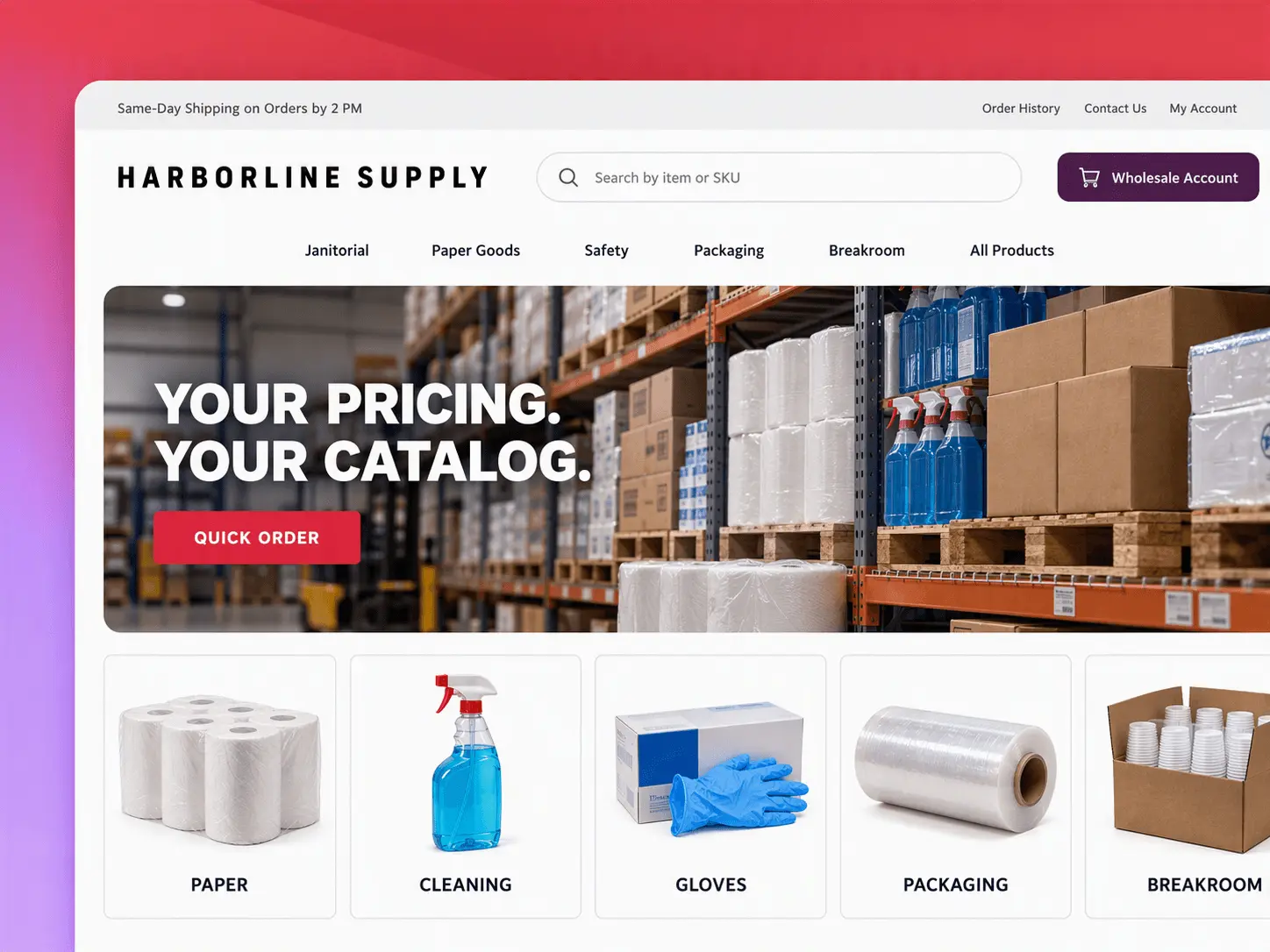
Shopify Plus works well for consumer brands with simpler catalogs and a small number of B2B price tiers. Its native B2B tools cover company accounts, catalogs, net terms, and quick reorders. Distributors with formal quoting, multi-step approvals, contract pricing, or deep ERP pricing sync usually need apps or custom development on Shopify Plus. Those are built into Miva.
Miva is an enterprise-grade ecommerce platform designed for merchants who've moved beyond basic carts and cookie-cutter themes. With robust native functionality for B2B and DTC selling, advanced catalog management, and powerful no-code customization options, Miva gives growing brands and manufacturers a single platform to run their entire online business without stitching together a dozen apps.
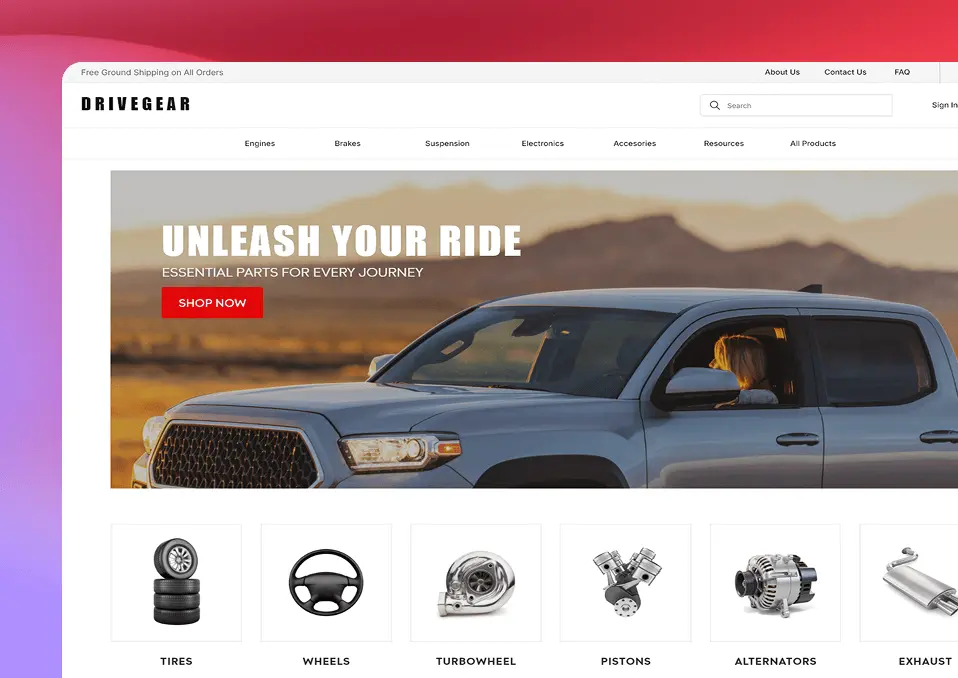
Shopify Plus is a strong fit for fast-launch consumer brands and simpler catalogs. Its strengths lie in ease of use and a large app ecosystem. However, as catalogs, business rules, and B2B requirements become more complex, merchants often rely on an increasing number of third-party apps and workarounds, driving up cost and complexity over time.

For businesses that need true flexibility, sophisticated B2B features, and tight control over data and experience, Miva offers more power in the core platform and a more sustainable path to scale.
Schedule a DemoAdvantage: Miva gives merchants more control over how their store behaves and scales, while reducing dependence on external apps for core functionality.
Advantage: Miva provides more of what complex merchants need out-of-the-box, which helps keep total cost of ownership under control as the business scales.
Advantage: For serious B2B, wholesale, and hybrid B2B/DTC businesses, Miva offers a more comprehensive native toolkit.
Now, whenever somebody launches their login and goes to our website, not only can they check availability and pricing in real-time...but all of that information is now passed directly into our backend system...
Bill Blackburn |

Miva is a strong Shopify Plus alternative for B2B distributors that need customer-specific pricing, quoting, bulk and repeat ordering, and ERP integration built into the platform. Distributors can run wholesale and DTC from one site, with separate pricing and catalogs for each buyer type and no transaction fees.
Yes. Miva connects to ERP, CRM, and OMS systems through Miva Connect and the Miva JSON API. Distributors use these integrations to sync customer pricing, inventory, and orders between Miva and their ERP.
Miva is designed for businesses with more advanced needs, so it offers deeper control and configuration options. Day-to-day management is straightforward for merchandisers and marketers, but the platform also gives technical teams the power they need to support complex requirements.
Yes. Miva is built for hybrid models, allowing you to run B2B, DTC, and wholesale on a single storefront with different pricing, catalogs, and experiences as needed.
Shopify Plus has a published platform fee, but the true cost often includes a long list of paid apps and custom development. Miva focuses on delivering more functionality in the core platform, helping merchants reduce their reliance on third-party add-ons and better control long-term costs.
Buyers can reorder from past orders, use quick order forms, order from a product grid, or upload an order by CSV. Miva also supports automatic reordering for repeat purchases.
Yes. Miva assigns pricing, catalogs, and product availability by account or price group. Each B2B buyer sees their negotiated prices and approved products after logging in, while retail shoppers see standard pricing.
Yes. Products, customers, orders, and most key data can be migrated into Miva from Shopify and other platforms. A Miva implementation partner can help plan the migration to protect your SEO, preserve critical order history, and minimize downtime.
No. Miva is ideal for growing mid-market and enterprise businesses, especially those with complex catalogs, B2B requirements, or multiple sales channels. If your business is outgrowing basic ecommerce tools or juggling too many apps, Miva is often a better long-term fit.